
Best Skrill Betting Sites in Australia for 2026
 Available in US
I have spent the better part of eleven years pulling apart payment systems at Australian betting platforms, and one thing I can say with absolute certainty: the landscape shifted dramatically in mid-2024 when credit cards were banned from online wagering. Overnight, millions of punters needed a Plan B. Many of them landed on Skrill – and for good reason.
Australia's online gambling market is worth an estimated USD 5.5 billion in 2025, with projections pushing toward USD 9 billion by 2034. That's a lot of money flowing through payment gateways, and the method you choose to move it matters more than most punters realise. Since 11 June 2024, operators face penalties of up to AUD 247,500 for processing credit card gambling transactions. The ban didn't just nudge people toward e-wallets – it made digital wallets a practical necessity for anyone who had been funding bets with credit.
This guide is my attempt to lay out everything an Australian punter needs to know about using Skrill at licensed betting sites. I'm covering the bookmakers that actually accept it, the fees nobody warns you about, withdrawal timelines that differ wildly between operators, and the regulatory context that makes all of this relevant right now. Whether you're switching from a credit card, evaluating Skrill against Neteller, or just trying to figure out if the $5 monthly inactivity fee is real – you'll find answers here, grounded in data and hard-won experience.
Skrill Betting in Australia: The Short Version
- Skrill deposits are instant at most Australian bookmakers, but withdrawals take 24-72 hours depending on the operator – plan accordingly.
- Watch for four fee layers: debit card loading (~2.5%), currency conversion (~3.99% if not in AUD), bank withdrawal (AUD 3.95 flat), and the AUD 5/month inactivity fee after 12 months dormant.
- Australia's credit card gambling ban makes e-wallets a practical necessity – fund Skrill via debit card or bank transfer to stay compliant.
- Skrill is widely accepted, but some bookmakers exclude e-wallet deposits from welcome bonuses. Make your first deposit via debit card if the bonus matters to you.
- Enable 1-Tap and biometric login on the Skrill app for the fastest mobile deposit experience, especially for live in-play betting.
How Skrill Works for Sports Betting in Australia
The first time I helped an operator integrate Skrill into their payment stack, the engineers kept calling it "just another PayPal." That misunderstanding cost them three weeks of rework. Skrill is fundamentally different in how it sits between your bank and a bookmaker – and understanding that architecture saves you money and headaches.
E-wallet – a digital account that holds funds independently of your bank, allowing you to deposit into and withdraw from betting sites without sharing your banking details with the operator.
Skrill operates in more than 100 countries and supports over 40 currencies, which matters to Australian punters because not every bookmaker runs its Skrill integration in AUD. When you open a Skrill account, you're creating a standalone financial hub. You load it from your debit card or bank transfer, and then that balance becomes instantly available to push into any Skrill-compatible bookmaker. The bookmaker never sees your card number, your BSB, or your account details. All they see is a Skrill transaction ID.
The process is straightforward in practice. You register at skrill.com, verify your identity – Skrill requires KYC documentation similar to what bookmakers ask for – and then fund the wallet. Once the balance is loaded, depositing into a betting account takes seconds. You pick Skrill at the bookmaker's cashier, enter the amount, log into your Skrill account in the pop-up window, confirm, and the funds land immediately. No waiting for bank transfers to clear. No three-day holds.
Skrill acts as a buffer layer between your bank and the bookmaker. This means your bank statement shows a transaction to Skrill, not to a gambling operator – a privacy feature that many Australian punters specifically seek out.
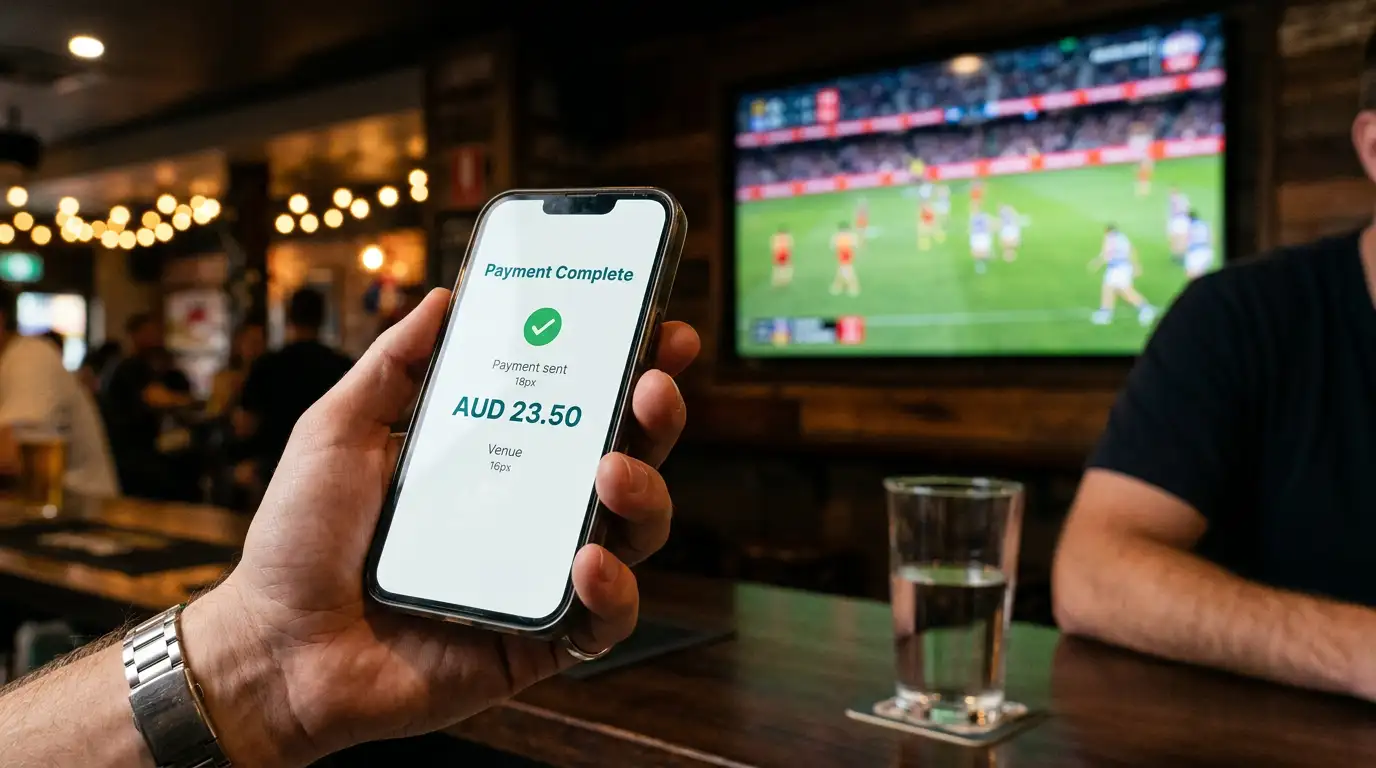
Withdrawals work in reverse but take longer. The bookmaker processes the payout to your Skrill wallet – typically within 24 to 72 hours depending on the operator – and then you move the funds from Skrill to your bank account. That second step adds time but also adds control: you decide when and how much to transfer to your bank, rather than having the full amount hit your account automatically.
Digital wallets now account for 31% of all e-commerce payments in Australia, and the betting sector mirrors that trend. Skrill's position as part of the Paysafe Group – which processed USD 167 billion in annual transaction volume in 2025 – gives it infrastructure that smaller e-wallet providers can't match. That scale translates directly into uptime reliability and processing speed, two things that matter when you're trying to fund a live bet before the odds shift.
Top Australian Bookmakers That Accept Skrill
Here's something that surprised me early in my career: the bookmaker you pick affects your Skrill experience far more than Skrill itself does. Two operators can both accept Skrill, yet one processes your withdrawal in four hours and the other sits on it for three business days. One absorbs the deposit fee entirely, the other passes through a 2.5% surcharge. The payment method is the same – the execution is not.
I'm not going to rank specific operators or tell you which bookmaker is "best" – that depends on what you bet on, what odds format you prefer, and whether you care more about speed or coverage. What I can do is walk you through the criteria that actually matter when you're evaluating a Skrill-compatible bookmaker in the Australian market.
What to Look for in a Skrill Bookmaker
The first filter is licensing. Every bookmaker operating legally in Australia holds a licence from a state or territory authority – Northern Territory Racing Commission, Racing NSW, or one of the other regulatory bodies. If you can't verify the licence, Skrill integration is irrelevant because the entire operation is outside Australian law.
After licensing, focus on four things: deposit fees, withdrawal speed, minimum transaction amounts, and whether the bookmaker's Skrill implementation supports AUD natively. A bookmaker that runs Skrill in GBP or EUR will trigger a currency conversion on every transaction, eating into your bankroll in ways that aren't obvious until you check your Skrill statement.
Deposit Speed
Skrill deposits are instant at most Australian bookmakers – funds appear in your betting account within seconds of confirmation. This is one of the key advantages over bank transfers, which can take one to three business days.
Withdrawal Timeline
Withdrawals vary significantly. Some operators process Skrill payouts within a few hours, while others impose a 24 to 72 hour review period. First-time withdrawals almost always take longer due to identity verification checks.
Minimum Deposits
Typical minimum deposits via Skrill at Australian bookmakers range from AUD 5 to AUD 20. Skrill's own minimum for sending money is AUD 1, but the bookmaker's threshold is what determines the floor.
Fee Absorption
Some Australian bookmakers absorb Skrill deposit fees entirely, meaning no surcharge on your end. Others pass the processing cost to you as a percentage. This is not always disclosed upfront – check the T&Cs or contact support before depositing.
The Payment Experience Factor
Paysafe's own research found that 88% of bettors worldwide are willing to switch operators after a poor payment experience. That number tracks with what I've seen in the Australian market. A clunky Skrill integration – one that forces you through multiple redirects, times out during peak hours, or doesn't display amounts in AUD – will push punters to a competitor faster than bad odds will.
The smoothest Skrill implementations I've evaluated share a few common traits. They open the Skrill login in a clean pop-up rather than redirecting to a new page. They pre-fill the deposit amount so you don't have to re-enter it. They confirm the transaction within a single screen, and they send both a Skrill receipt and a bookmaker confirmation simultaneously. These seem like small details, but they compound when you're depositing multiple times per week.
Coverage Across Betting Markets
Not every bookmaker that accepts Skrill offers it across all their products. I've seen operators where Skrill works perfectly for pre-match sports betting but isn't available in their racing section. Others accept Skrill deposits but won't process withdrawals back to the same wallet, forcing you to use a bank transfer for cashouts. These inconsistencies are frustrating but common, and they're worth checking before you commit to a platform.
Sports Betting
Most Australian bookmakers with Skrill support offer it across their full sportsbook – AFL, NRL, cricket, soccer, tennis, and international markets. Deposit and withdrawal via Skrill are typically available for all sports betting products.
Horse Racing
Racing remains the largest single segment of Australian sports betting. Skrill availability for racing deposits is widespread, though some racing-specialist platforms have been slower to adopt e-wallets compared to multi-sport operators.
Live In-Play
Skrill's instant deposit speed makes it well-suited for live in-play betting, where timing matters. The 1-Tap feature – a single-confirmation payment – is particularly useful here, though not all bookmakers have enabled it.
A Note on Operator Listings
You'll find plenty of sites that rank the "top 10 Skrill bookmakers" with numbered lists, star ratings, and affiliate links. I'm not doing that here. My focus is on the payment infrastructure, not on grading individual operators. What I will say is that the number of Australian-licensed bookmakers accepting Skrill has grown steadily since the credit card ban, and the quality of their Skrill integrations has improved alongside that growth. The competitive pressure is working in punters' favour – operators know that a botched payment experience drives customers to the next brand in their browser tabs.
Knowing which bookmakers accept Skrill is the starting point – but the real value comes from understanding exactly how to move money in and out efficiently.
Depositing and Withdrawing with Skrill: Step-by-Step
I once watched a mate fumble through his first Skrill deposit for fifteen minutes because he hadn't set up two-factor authentication in advance. The bookmaker's pop-up kept timing out, his SMS code arrived late, and by the time he got through, the odds he wanted had drifted by three points. The process itself is simple – but only if you've done the prep work.
Before You Touch the Cashier
Before You Deposit with Skrill
- Your Skrill account is verified – ID and proof of address uploaded and approved
- Two-factor authentication is active on your Skrill account
- Your Skrill wallet is funded via debit card or bank transfer (not credit card)
- You've confirmed your bookmaker accepts Skrill for both deposits and withdrawals
- Your bookmaker account uses the same name and email as your Skrill account
- You know the bookmaker's minimum and maximum Skrill deposit amounts
That last point catches more people than you'd expect. Skrill's own minimum for transfers is low – typically AUD 1 – but individual bookmakers set their own floors, often AUD 10 or AUD 20. If you try to deposit less than the bookmaker allows, the transaction simply fails without a particularly helpful error message.
Making a Deposit
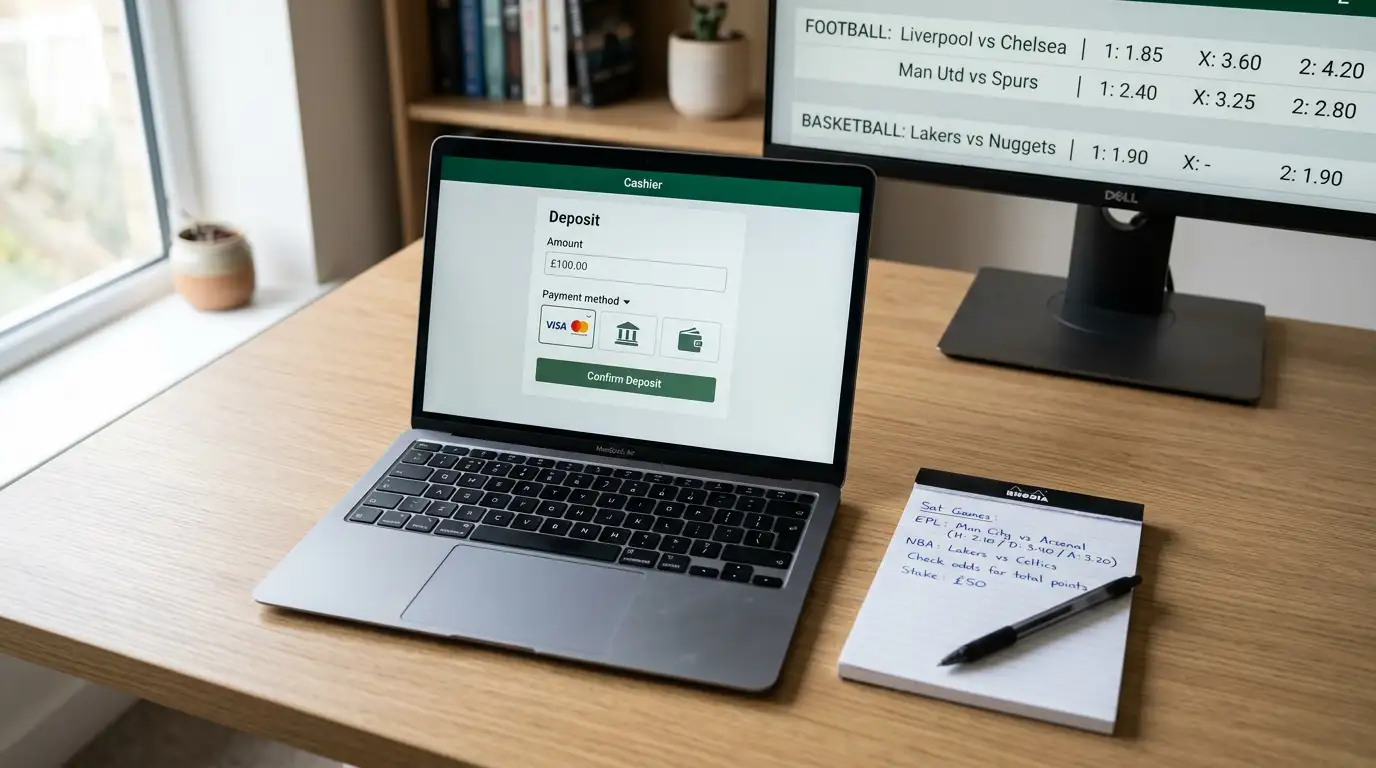
Once your Skrill account is loaded and verified, the deposit flow at a bookmaker follows a consistent pattern across operators. Navigate to the cashier or banking section of the betting site. Select Skrill from the available payment methods. Enter the amount you want to deposit. You'll be redirected to a Skrill login window – enter your credentials, confirm the payment, and the funds transfer instantly. No processing delay, no pending period. The balance appears in your betting account within seconds.
If you've activated Skrill's 1-Tap feature, subsequent deposits skip the login step entirely. You confirm the amount and authorise with a single tap. For live betting on mobile, that speed difference is meaningful.
Withdrawing Your Winnings
Withdrawals work in the opposite direction but introduce variables that deposits don't. First, most bookmakers require that you withdraw via the same method you used to deposit – so if you funded your account with Skrill, your first withdrawal option will be Skrill. Second, bookmakers impose their own processing timelines. Some clear Skrill withdrawals within hours; others hold funds for up to 72 hours during a manual review period.
After the bookmaker releases the funds, the money sits in your Skrill wallet. From there, you can transfer it to your bank account (which takes one to two business days), spend it at another merchant, or leave it in the wallet for your next bet. That flexibility is one of Skrill's genuine advantages – your winnings don't have to go straight to the bank where they might vanish into mortgage payments before you even see them.
Example: Deposit to Payout Flow
You deposit AUD 100 from your Skrill wallet into a bookmaker account. You place a bet at decimal odds of 2.50 on an AFL match. If the bet wins, the bookmaker credits AUD 250 to your betting balance (AUD 100 stake x 2.50). You request a withdrawal of AUD 250 to Skrill. The bookmaker processes it in 24 hours. The full AUD 250 lands in your Skrill wallet, minus any bookmaker-side withdrawal fee (many charge none for Skrill). From Skrill to your bank: AUD 250 minus Skrill's bank transfer fee of AUD 3.95.
That AUD 3.95 bank withdrawal fee is fixed regardless of the amount, which makes it proportionally cheaper for larger withdrawals. Withdraw AUD 50 and the fee represents nearly 8% of the amount; withdraw AUD 500 and it drops below 1%. Batching your withdrawals rather than pulling out small amounts frequently is one of the simplest ways to reduce your overall costs with Skrill.
Skrill Fees, Limits, and Hidden Costs for Punters
Let me be blunt about something the glossy Skrill review sites won't tell you: "free" deposits at bookmakers don't mean your Skrill experience is cost-free. There are at least four separate fee layers that can eat into your betting bankroll, and most punters only discover them after the fact. I've unpacked the full breakdown in my detailed guide to Skrill fees for Australian bettors, but here's the overview you need before committing any money.
The first layer is Skrill's own fee for loading your wallet. Funding via bank transfer is free, but debit card loads carry a percentage fee – typically around 2.5% for Australian cards, though Visa and Mastercard rates can differ slightly. That means loading AUD 200 via debit card costs you roughly AUD 5 before you've placed a single bet.
The second layer is currency conversion. If your bookmaker's Skrill integration doesn't support AUD – and some don't – Skrill applies its own exchange rate markup on top of the mid-market rate. The markup sits around 3.99% for standard accounts. On a AUD 100 deposit that gets converted to GBP, that's nearly AUD 4 lost to conversion alone. Keeping everything in AUD is the simplest defence against this charge, but it requires choosing bookmakers that explicitly run their Skrill cashier in Australian dollars.
Currency conversion fees apply at two possible points: when you fund Skrill from a non-AUD source, and when you deposit into a bookmaker that holds your balance in a foreign currency. Both can hit on the same transaction if your funding source and bookmaker currency are different from your Skrill wallet currency.
The third layer is withdrawals. Pulling money from Skrill to your Australian bank account costs AUD 3.95 per transaction as a flat fee. Skrill VIP members pay less – Silver tier and above get reduced or waived bank withdrawal fees. But qualifying for VIP requires significant transaction volumes, and for most recreational punters, the standard fee applies.
Australians spend an average of $940 per person on sports betting annually – more than double the global average of $426. At that volume, even small percentage-based fees compound into meaningful losses over a year of regular wagering.
The fourth layer – and the one I find most annoying professionally – is the inactivity fee. If your Skrill account sits dormant for 12 consecutive months, Skrill charges AUD 5 per month until the balance reaches zero or you resume activity. It's not unique to Skrill; Neteller does the same thing. But it catches casual bettors who use Skrill seasonally – say, only during the AFL or Spring Racing Carnival – and then forget about the account for the off-season.
Transaction limits also vary across the chain. Skrill sets its own daily and monthly caps based on your verification level. Bookmakers set separate minimums and maximums for Skrill deposits and withdrawals. And your bank may have daily limits on transfers to third-party services like Skrill. All three layers can interact in unexpected ways, especially if you're a high-volume punter moving large amounts during events like Melbourne Cup week.
Fees tell you what Skrill costs – but it was Australia's credit card ban that explains why so many punters are paying those fees in the first place.
The Drag Meter
Your Skrill chain has four fee layers. This works out what they cost you in a year — and what they do to the odds you actually get paid.
- Wallet loading (2.5%)
- A$120.00
- Currency conversion (0%)
- A$0.00
- Cash-out fees (24 × A$3.95)
- A$94.80
- Dormancy (0 months charged)
- A$0.00
Heavy drag. At 4.5% you are handing back close to a full odds step on every bet funded through this chain.
Leanest chain at your volume: A$47.40 a year. You are A$167.40 above it.
Halving your cash-outs to 1 a month saves A$47.40 a year. Right now that flat A$3.95 is 2.6% of a A$150 cash-out.
Rates used: debit card load 2.5%, currency conversion 3.99% applied to money in and money out, bank withdrawal A$3.95 flat, inactivity A$5 a month once an account passes 12 dormant months. The odds line assumes each deposited dollar is staked once and the return withdrawn. Your own tier and bookmaker terms may differ — check them before you rely on the figure. 18+ only.
How Australia's Credit Card Gambling Ban Changed Payments
June 2024 was the month I fielded more client calls than in the entire previous year. Every operator I worked with was scrambling to adjust their payment stack, and every punter I spoke to was asking the same question: "What do I use now?" The Australian government's ban on credit cards for online wagering didn't just change a policy – it rewired the entire payment ecosystem for sports betting in this country.
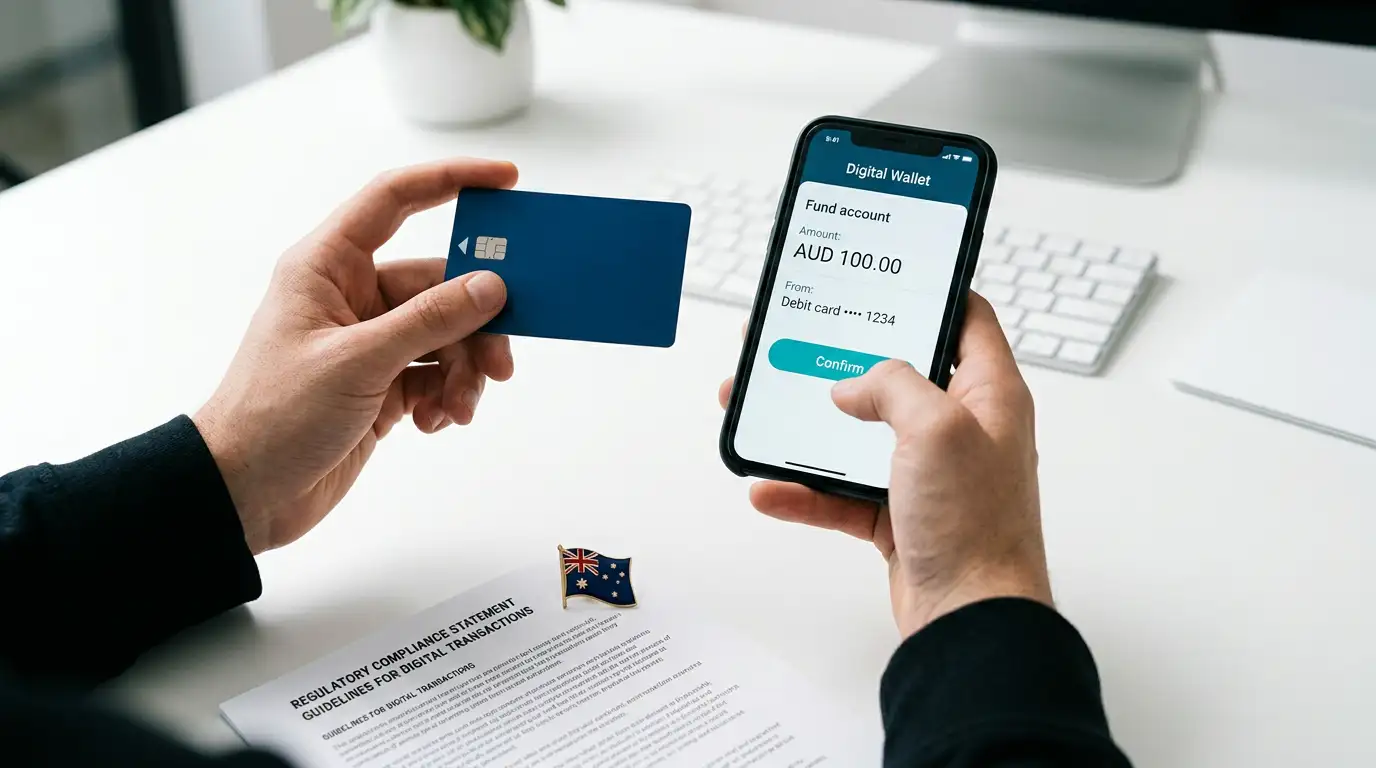
Since 11 June 2024, it has been illegal for licensed Australian wagering operators to accept credit card deposits. Penalties for operators who violate this prohibition can reach AUD 247,500 per offence. The ban covers all forms of online wagering offered by licensed providers.
The ban was designed to prevent people from gambling with borrowed money. Minister for Social Services Amanda Rishworth put it directly: the government takes its responsibility to prevent and reduce harm from online wagering seriously, and the credit card ban is part of delivering on that commitment. Communications Minister Michelle Rowland was equally blunt, saying Australians should not be gambling with money they do not have and that the government had promised this ban and delivered it.
For punters who'd been using Visa or Mastercard credit lines to fund their betting accounts, the transition was immediate and non-negotiable. Debit cards still work – the ban targets credit specifically. But many bettors who relied on credit card convenience didn't have debit-linked alternatives set up. That gap is exactly where Skrill stepped in.
The mechanics of why Skrill benefits from this ban are straightforward. You fund your Skrill wallet with a debit card or bank transfer – both legal. The bookmaker receives a payment from Skrill, not from a credit card, so there's no compliance issue on their end. The ban didn't explicitly promote e-wallets, but the practical effect is that e-wallets became the easiest path for punters who wanted the speed and convenience of card-style payments without actually using a credit card. I've covered the full deposit process for Australian bettors switching to Skrill in a separate guide.
What's less discussed is the ban's interaction with Skrill's own funding rules. Skrill does allow credit card top-ups for general use – buying things online, sending money to friends. But when those funds are then used at a bookmaker, the responsibility for compliance sits with the operator, not with Skrill. In practice, most Australian-licensed bookmakers have implemented additional checks to ensure that Skrill deposits aren't ultimately sourced from credit cards, adding an extra verification layer that can slow down first-time deposits.
The credit card ban removed the most convenient high-risk payment method from Australian betting. E-wallets like Skrill filled that convenience gap without reintroducing the credit risk, making them the practical default for punters who valued speed over the slower bank transfer alternative.
The broader effect on the market has been a measurable shift toward digital wallets and debit-funded payments. The ban also inadvertently highlighted just how many punters had been relying on credit to fund their wagering – a reality that added fuel to the wider responsible gambling conversation in Australia.
Skrill Security and Australian Regulatory Landscape
A punter once told me he preferred Skrill because "they can't see my bank." That's a reasonable instinct, but it only scratches the surface of what makes an e-wallet secure – or what makes a betting payment environment trustworthy. Security in this context operates on two levels: the safety of the wallet itself, and the regulatory framework around the bookmakers you're depositing into.
Skrill is authorised and regulated by the Central Bank of Ireland, having previously held a licence from the UK's Financial Conduct Authority (FCA) before its regulatory home shifted post-Brexit. That licence obligates Skrill to segregate customer funds from operational capital – meaning your wallet balance is ring-fenced, not sitting in the same pool as Paysafe's business expenses. The wallet uses 256-bit SSL encryption for all transactions and supports two-factor authentication via app-generated codes or SMS. These aren't optional extras; they're baseline infrastructure for any financial services provider handling the volumes Skrill processes.
Skrill's encryption and fund segregation protect the wallet side of the equation. But the bookmaker side has its own regulatory requirements under Australian law, including identity verification, transaction monitoring, and compliance with the Interactive Gambling Act. Both sides need to be solid for your money to be genuinely safe.
On the Australian regulatory side, the landscape has tightened significantly. The Australian Communications and Media Authority (ACMA) is the primary enforcer of the Interactive Gambling Act, and its activity has ramped up. In the fourth quarter of 2024 alone, ACMA investigated 301 complaints, identified 16 breaches, and referred 75 websites for blocking. ACMA Chair Nerida O'Loughlin has been clear that there are no excuses for gambling companies that fail to understand their legal obligations under the IGA.
Then there's BetStop – the National Self-Exclusion Register that launched in August 2023. By 30 June 2025, 30,032 Australians held active self-exclusions through the register. BetStop works by requiring all licensed operators to check the register before allowing a customer to place a bet. If you're registered with BetStop, your account should be blocked at every licensed bookmaker in the country – including those where you deposit via Skrill.
The word "should" in that last sentence is doing heavy lifting. BetStop's effectiveness has been questioned, particularly because of the offshore market. But for punters using Skrill at licensed Australian bookmakers, BetStop integration is mandatory for the operator. Your payment method doesn't create a loophole – if you're self-excluded, the block happens at the operator level regardless of whether you deposit via Skrill, debit card, or bank transfer.
From a practical security standpoint, what I recommend to anyone using Skrill for betting in Australia: enable two-factor authentication immediately, use a unique password that you don't share with any other service, monitor your Skrill transaction history weekly, and ensure that withdrawals from bookmakers to your Skrill wallet complete correctly before you assume the money has arrived. I've seen cases where withdrawal processing delays were mistaken for security issues, when in reality the bookmaker was simply slow to release funds.
The combination of a regulated e-wallet, regulated bookmakers, and active enforcement creates a reasonably robust safety net. It's not foolproof – phishing attacks, weak passwords, and offshore operators will always present risks – but the licensed Australian betting environment with Skrill as the payment layer is about as secure as online gambling gets.
Skrill vs Neteller vs PayPal vs PayID: Quick Comparison
I get asked "which e-wallet is best?" at least twice a week. The honest answer is that it depends on what you prioritise – and the differences are more nuanced than most comparison guides admit. Rather than crown a winner, I'll lay out how the four main options stack up on the criteria Australian punters actually care about. For a deep-dive into the Skrill and Neteller question specifically, I've written a full side-by-side analysis.
| Criteria | Skrill | Neteller | PayPal | PayID |
|---|---|---|---|---|
| Deposit Speed | Instant | Instant | Instant | Minutes to hours |
| Withdrawal Speed | 24-72 hours (operator-dependent) | 24-72 hours (operator-dependent) | 24-72 hours (operator-dependent) | Same day at some operators |
| Bookmaker Coverage in AU | Wide | Moderate | Limited for betting | Growing rapidly |
| Currency Conversion Fee | ~3.99% (standard account) | ~3.99% (standard account) | ~3-4% | None (AUD only) |
| Bank Privacy | Yes – bookmaker doesn't see bank details | Yes – same as Skrill | Yes – same as Skrill | No – direct bank connection |
| 1-Tap / Fast Deposit | Yes | Yes (Net+ equivalent) | No | No |
| Bonus Eligibility | Often excluded | Often excluded | Varies | Usually included |

The standout finding from Paysafe's own research is that 68% of online gamblers globally prefer e-wallets over credit cards, citing security and speed as the primary reasons. In the Australian context, that preference has sharpened since the credit card ban forced the issue.
Skrill and Neteller are both owned by Paysafe Group, which means their underlying infrastructure is similar. The practical differences come down to bookmaker coverage – Skrill tends to have slightly broader acceptance among Australian operators – and the specific VIP tier benefits each wallet offers at higher transaction volumes. For most recreational punters, the two are nearly interchangeable.
PayPal occupies a strange position in Australian betting. It's the most recognised e-wallet brand globally, but its presence in the Australian wagering market is limited. Several major bookmakers don't offer PayPal as a deposit option, and PayPal itself has historically been cautious about gambling-related transactions. If your bookmaker does accept it, the experience is smooth – but the restricted availability makes it unreliable as your primary betting payment method.
PayID is the wildcard. It's not an e-wallet at all – it's a direct bank-to-operator transfer using your phone number or email as an identifier. The advantage is zero conversion fees and no intermediary. The disadvantage is that your bank sees every gambling transaction directly, there's no 1-Tap equivalent for speed, and you lose the privacy buffer that e-wallets provide. PayID adoption among Australian bookmakers is growing, but it doesn't replace the functionality Skrill offers for punters who value separation between their banking and betting activities.
Using Skrill on Mobile Betting Apps
Over half of Australian gamblers – 56.1% to be exact – now play predominantly online, and mobile is where most of that activity happens. I tested Skrill integrations on fourteen different Australian bookmaker apps last year, and the experience ranged from seamless to genuinely awful. The wallet itself isn't the problem; it's how each operator has built their mobile cashier around it.
The Skrill app for iOS and Android handles your wallet management separately from the bookmaker app. When you tap Skrill as your deposit method in a bookmaker's mobile app, you're typically bounced to the Skrill app (if installed) or to a mobile browser window to log in. If you've set up 1-Tap, this step disappears – you confirm the amount and it's done. That single-step flow is what makes the Skrill app valuable for live wagering situations where every second counts.
Biometric login – Face ID on iPhone, fingerprint on Android – adds a useful layer of both security and convenience on mobile. Enabling it means you can authorise Skrill payments without typing a password, which matters when you're depositing at a pub while watching a match on the big screen. The combination of biometrics and 1-Tap is, in my experience, the fastest deposit method available on mobile for Australian betting.
Do
- Install the Skrill app and enable biometric login before your first mobile deposit
- Set up 1-Tap with a sensible spending cap – you can always increase it later
- Keep the Skrill app updated to avoid compatibility issues with bookmaker redirects
- Test a small deposit first to confirm the mobile flow works at your chosen bookmaker
Don't
- Deposit via Skrill on public Wi-Fi without a VPN – the redirect flow can expose session tokens
- Save your Skrill password in your phone's browser – use the app's built-in authentication instead
- Assume every bookmaker's mobile app handles Skrill identically – test before committing large amounts
- Ignore push notifications from Skrill about transactions you didn't initiate

One detail that trips up mobile users specifically: some bookmaker apps cache old Skrill sessions, which can cause failed deposits if your Skrill password has changed or your 2FA settings have been updated. If a mobile deposit fails unexpectedly, clear the bookmaker app's cache or log out and back into the Skrill app before trying again. It solves the problem about 80% of the time.
Welcome Bonuses and Skrill Eligibility in Australia
This is the section nobody in the e-wallet space likes to talk about, so I'll say it plainly: many Australian bookmakers exclude Skrill deposits from welcome bonus eligibility. It's not a Skrill problem per se – Neteller and PayPal deposits get excluded just as often. The pattern is an industry-wide practice rooted in how e-wallets were historically used for bonus abuse.
The logic from the bookmaker's perspective is straightforward. E-wallets make it easy to move money quickly between multiple accounts, which made them the tool of choice for bonus hunters who'd sign up, grab the welcome offer, meet the minimum wagering requirements, and cash out before the operator had time to flag the activity. That abuse pattern led most operators to implement blanket e-wallet exclusions on their promotional terms, even though the vast majority of Skrill users are legitimate punters.
Always read the full terms and conditions of any welcome offer before depositing. Look specifically for phrases like "deposits made via Skrill, Neteller, or other e-wallets are not eligible for this promotion." The exclusion is typically buried in the fine print, not displayed on the promotional banner.
That said, the situation isn't universal. Some Australian bookmakers do include Skrill deposits in their welcome offers, and a few have started differentiating between first-time depositors and returning customers. The trend I've noticed over the past two years is a gradual softening of the blanket ban – operators are realising that excluding the fastest-growing payment category from their best acquisition tool is costing them customers.
If bonus eligibility matters to you – and for a first deposit, it reasonably should – the practical workaround is simple. Make your initial deposit via debit card or bank transfer to qualify for the welcome offer, then switch to Skrill for all subsequent deposits. Most bookmakers only care about the payment method used for the qualifying deposit, not what you use going forward. It's a minor inconvenience that preserves both the bonus value and your ability to use Skrill long-term.
One more thing: even when Skrill deposits do qualify for a promotion, the wagering requirements are identical to other payment methods. There's no scenario where using Skrill gives you worse rollover conditions – the exclusion is binary. Either your deposit method qualifies or it doesn't. The terms that follow are the same regardless of how the money arrived.
Responsible Gambling Tools and Skrill
I work in payments, not psychology, but over a decade in this industry has shown me enough to know that the speed and convenience that make Skrill attractive for betting are the same qualities that can amplify harm for people who are struggling. Approximately 3.5 million adult Australians participate in online gambling, and an estimated 1 million of them are at risk of or experiencing gambling-related harm. Those aren't abstract numbers – they're neighbours, colleagues, friends.
The data from ANU's POLIS study paints a sharper picture. Overall gambling participation in Australia sat at 58.8% in 2025, but the rate of risky gambling jumped from 13.7% in 2024 to 19.4% in 2025. That's a significant year-on-year increase, and it's happening in the same period that faster payment methods like Skrill have become more prevalent. Correlation isn't causation, but the timing demands honest engagement.
Responsible Wagering Australia's CEO, Kai Cantwell, has framed the industry's position on this clearly: the extension of consumer protection measures like the credit card ban to all forms of gambling is important because it helps people stay in control of their own gambling behaviour. The industry body and its members publicly support these measures – a stance I've seen reflected in how operators are integrating deposit limits and cooling-off periods into their Skrill payment flows.
Skrill itself offers some in-wallet controls. You can set daily, weekly, and monthly spending limits within the Skrill app, which cap the total amount you can send to any merchant – including bookmakers. These limits are separate from the deposit limits that bookmakers set on their end, giving you two layers of control. However, Skrill is a payment tool, not a gambling platform, so it doesn't offer gambling-specific interventions like reality checks or session time limits. Those come from the bookmaker side.
If gambling stops being entertainment and starts causing stress, financial strain, or relationship problems, the tools exist to help. BetStop provides a single point of self-exclusion from all licensed Australian operators. Gambling Help Online (1800 858 858) offers free, confidential support around the clock. No payment method, however convenient, is worth more than your wellbeing.
Frequently Asked Questions About Skrill Betting in Australia
Is Skrill safe to use for online betting in Australia?
Skrill is authorised by the Central Bank of Ireland and uses 256-bit SSL encryption alongside two-factor authentication. Customer funds are segregated from Paysafe's operational capital, meaning your wallet balance is ring-fenced. When you deposit at a licensed Australian bookmaker via Skrill, neither the operator nor Skrill can access your bank account directly – the wallet acts as a secure intermediary. No system is immune to risks like phishing or weak passwords, but Skrill's regulatory and technical framework makes it one of the more secure payment options available to Australian punters.
Are there any fees for using Skrill at Australian betting sites?
Several fee layers can apply. Funding your Skrill wallet via debit card typically costs around 2.5%. Currency conversion adds approximately 3.99% if the transaction involves a non-AUD currency. Withdrawing from Skrill to your Australian bank account costs a flat AUD 3.95. Some bookmakers absorb deposit fees on their end, but this varies by operator. Additionally, a AUD 5 monthly inactivity fee kicks in after 12 months of no account activity. The most effective way to minimise costs is to fund via bank transfer, keep everything in AUD, and batch your withdrawals.
How fast are Skrill deposits and withdrawals at bookmakers?
Deposits are instant – your funds appear in the betting account within seconds of confirming the Skrill transaction. Withdrawals are slower and depend on the bookmaker. Most Australian operators process Skrill withdrawals within 24 to 72 hours. First-time withdrawals take longer due to mandatory identity verification checks. Once the bookmaker releases the funds to your Skrill wallet, transferring that balance to your bank account takes an additional one to two business days.
Can I use Skrill after Australia's credit card gambling ban?
Yes. The ban, effective since June 2024, prohibits operators from accepting credit card deposits for gambling. Skrill itself can still be funded via debit card or bank transfer – both of which are legal. The key distinction is that you cannot fund your Skrill wallet with a credit card and then use those funds for betting. Most Australian bookmakers have added verification steps to ensure Skrill deposits are not ultimately sourced from credit. As long as you fund Skrill with debit or bank transfer, you're fully compliant.
What is the minimum deposit with Skrill at Australian bookmakers?
Skrill's own minimum for sending money is as low as AUD 1, but bookmakers set their own deposit floors. Typical minimums range from AUD 5 to AUD 20, with most operators settling around AUD 10 for Skrill deposits. These limits are set per transaction, not per day, so you can make multiple small deposits if needed. Check your bookmaker's banking page for exact Skrill minimums, as they can differ from the minimums listed for other payment methods.
How does Skrill compare to PayPal and Neteller for betting?
Skrill and Neteller are both owned by Paysafe Group and offer similar fee structures, deposit speeds, and security features. Skrill has slightly broader acceptance among Australian bookmakers. PayPal is more widely recognised but has limited availability at Australian betting sites – several major operators don't offer it. All three e-wallets provide the bank privacy benefit of keeping your banking details hidden from the bookmaker. The choice between them typically comes down to which wallet your preferred bookmaker supports and whether you value VIP programme features that differ between Skrill and Neteller.
Do I need to verify my identity to use Skrill for betting?
Yes. Skrill requires KYC (Know Your Customer) verification before you can make transactions above basic limits. You'll need to provide a government-issued photo ID (passport or driver's licence) and proof of address (utility bill or bank statement). Verification typically takes 24 to 48 hours, though some accounts are approved faster. Unverified Skrill accounts face lower transaction limits and may be unable to withdraw funds to a bank account. Since Australian bookmakers also require identity verification, completing Skrill KYC early avoids delays at both ends of the deposit-withdrawal chain.
