
Funding Skrill with Paysafecard for Betting: Fees and Process
 Available in US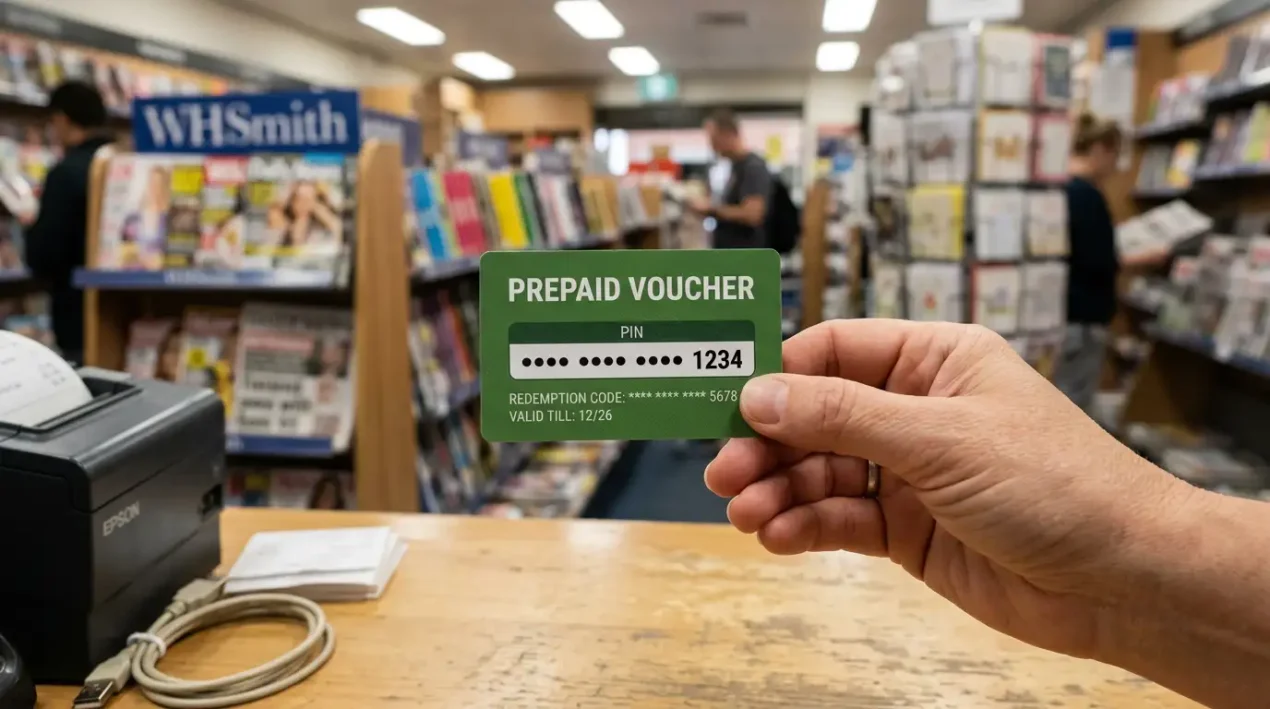
Digital wallets handle 53% of all online purchases globally, but not everyone funds those wallets the same way. For punters who want to bet online without linking a bank account or debit card to any digital service, Paysafecard offers a cash-based entry point into the Skrill ecosystem. You walk into a retail outlet, buy a voucher with cash, enter the PIN into your Skrill account, and the balance appears. No bank details shared. No card number exposed. Just a sixteen-digit code connecting physical money to a digital wallet. The wider context sits in our guide to Skrill betting in Australia.
I have tracked every funding method available to Australian Skrill users over eleven years, and Paysafecard occupies a specific niche that no other method fills. It is not the cheapest option. It is not the fastest. But for the punter who prioritises financial separation between their everyday banking and their betting activity, it is the most complete privacy solution available within a regulated framework.
How Paysafecard-to-Skrill Top-Ups Work
Paysafe’s annual revenue reached $1.7 billion in 2025, with the Digital Wallets segment contributing $814.7 million. Paysafecard and Skrill sit under the same corporate umbrella, which means the integration between the two is seamless by design – Paysafe has a commercial incentive to make moving money from one product to another as frictionless as possible.
The process starts at a physical retail outlet. In Australia, Paysafecard vouchers are available at newsagents, petrol stations, and other participating retailers. You purchase a voucher in a fixed denomination – typically $20, $50, or $100 – and receive a receipt with a sixteen-digit PIN. No identification is required for vouchers below certain thresholds, though higher denominations may require basic verification under anti-money laundering regulations.
Back at your device, log into your Skrill account and navigate to the funding section. Select Paysafecard as your top-up method, enter the sixteen-digit PIN, and confirm. The voucher amount loads into your Skrill wallet, minus any applicable fee. The entire process – from PIN entry to balance update – takes under a minute.
Once the funds are in your Skrill wallet, they behave identically to money loaded via bank transfer or debit card. You can deposit at any bookmaker that accepts Skrill, withdraw winnings back to Skrill, and manage your balance through the standard interface. The Paysafecard step is a funding mechanism, not a permanent characteristic of the money.
Paysafecard Loading Fees and How They Affect Your Bankroll
Here is where the cost reality sets in. Loading Skrill via Paysafecard is not free, and the fee structure makes it one of the more expensive funding methods available. Skrill charges a percentage-based fee on Paysafecard top-ups that can reach up to 5% depending on your account status and the specific terms in effect at the time of the transaction.
On a $100 voucher, a 5% fee means $5 disappears before you place a single bet. Over a month of weekly $100 top-ups, that is $20 in fees – the equivalent of four $5 bets that never get placed. For recreational punters depositing small amounts occasionally, the fee is an acceptable cost of privacy. For regular bettors funding weekly sessions, the accumulated fee becomes a meaningful drag on bankroll performance.
Compare this to a bank transfer to Skrill, which typically costs nothing or a small fixed fee regardless of amount. A $100 bank transfer delivers $100 to your Skrill wallet (minus any minor transfer fee). A $100 Paysafecard top-up delivers $95 or less. The difference is the premium you pay for cash-based funding and the privacy it provides.
VIP Skrill accounts may receive reduced Paysafecard loading fees, though the reduction varies by tier and is not always enough to close the gap with free bank transfer funding. If you are using Paysafecard regularly, checking whether VIP qualification would meaningfully reduce your loading costs is worth the calculation. The card version is the Skrill Prepaid Mastercard.
Where to Buy Paysafecard in Australia
Availability is the practical constraint. Unlike a bank transfer that you initiate from your couch at any hour, a Paysafecard requires a trip to a physical retail location during business hours. In metropolitan areas – Sydney, Melbourne, Brisbane, Perth – retail outlets selling Paysafecard are plentiful. Newsagencies, convenience stores, and selected petrol stations typically carry them.
In regional and rural Australia, availability thins considerably. A town of 5,000 people might have one outlet that stocks Paysafecard, or none. Paysafecard’s online store locator shows participating retailers by postcode, and checking before you drive is a basic time-saver. The inconvenience of a wasted trip to a retailer that has sold out or stopped stocking them is real.
Denomination availability is another variable. Not every retailer stocks every denomination. If you want a $100 voucher and the retailer only carries $20 and $50 options, you need to buy two $50 vouchers – which means two separate loading transactions and potentially two loading fees. Planning your purchase denomination before visiting the retailer reduces this friction.
When This Method Makes Sense for Australian Bettors
The Paysafecard-to-Skrill path serves a specific punter profile: someone who values financial separation above all other considerations. No bank account linked to Skrill. No debit card details stored anywhere. Cash in, digital balance out, betting funded, and no trail visible in your bank statement beyond the original cash withdrawal from an ATM – if you even used an ATM rather than cash from other sources.
This is not about hiding anything illicit. Many punters simply prefer that their betting activity does not appear in their banking records. Mortgage applications, shared accounts, employer financial checks, insurance assessments – there are legitimate reasons why a person might want their betting transactions isolated from their primary financial footprint. Paysafecard provides that isolation.
The method also suits punters who want to enforce strict budget discipline. Buying a physical voucher creates a tangible spending ceiling. Once the $50 or $100 voucher is loaded, that is your budget. You cannot impulsively deposit more without physically returning to a shop and purchasing another voucher. The friction is the feature – it creates a cooldown period between the decision to deposit more and the ability to do so.
For punters who do not need this level of separation and budget control, the bank transfer or debit card route to Skrill is cheaper, faster, and more convenient. The Paysafecard premium is only justified when its specific benefits – privacy and enforced spending limits – align with your personal requirements.
What is the fee for loading Skrill with a Paysafecard voucher?
Skrill charges a percentage-based fee on Paysafecard top-ups, which can reach up to 5% depending on your account tier and current terms. On a $100 voucher, this could mean receiving $95 or less in your Skrill wallet. VIP accounts may receive reduced fees. Check Skrill’s current fee schedule before purchasing a voucher to confirm the exact charge.
Can I use Paysafecard to fund Skrill and avoid the credit card ban?
Yes. Paysafecard is a prepaid voucher purchased with cash or debit, not a credit product. Loading your Skrill wallet via Paysafecard and then depositing at a bookmaker through Skrill is fully compliant with Australia’s credit card gambling ban. You are using funds you already hold, not borrowing money to gamble.
